Purchasing, orders and invoice cover sheets
Request, budget review, approval, ordering and document hand-off continue in one case.
SIFYBOX · Workflows, documents and approvals
A deployable platform for forms, workflow, document generation, budget checks, delegation, signatures and trusted storage.
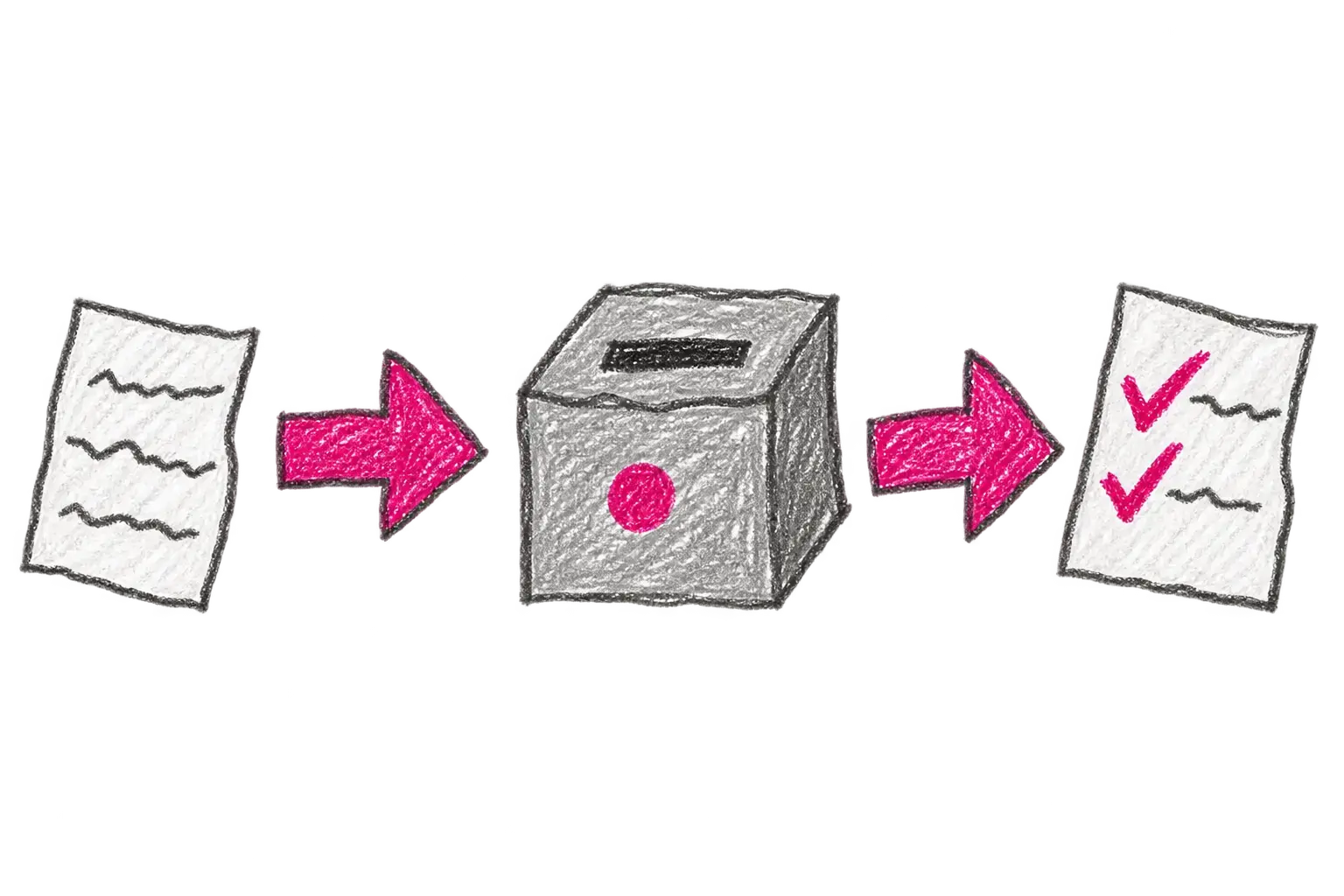
Start with what you need

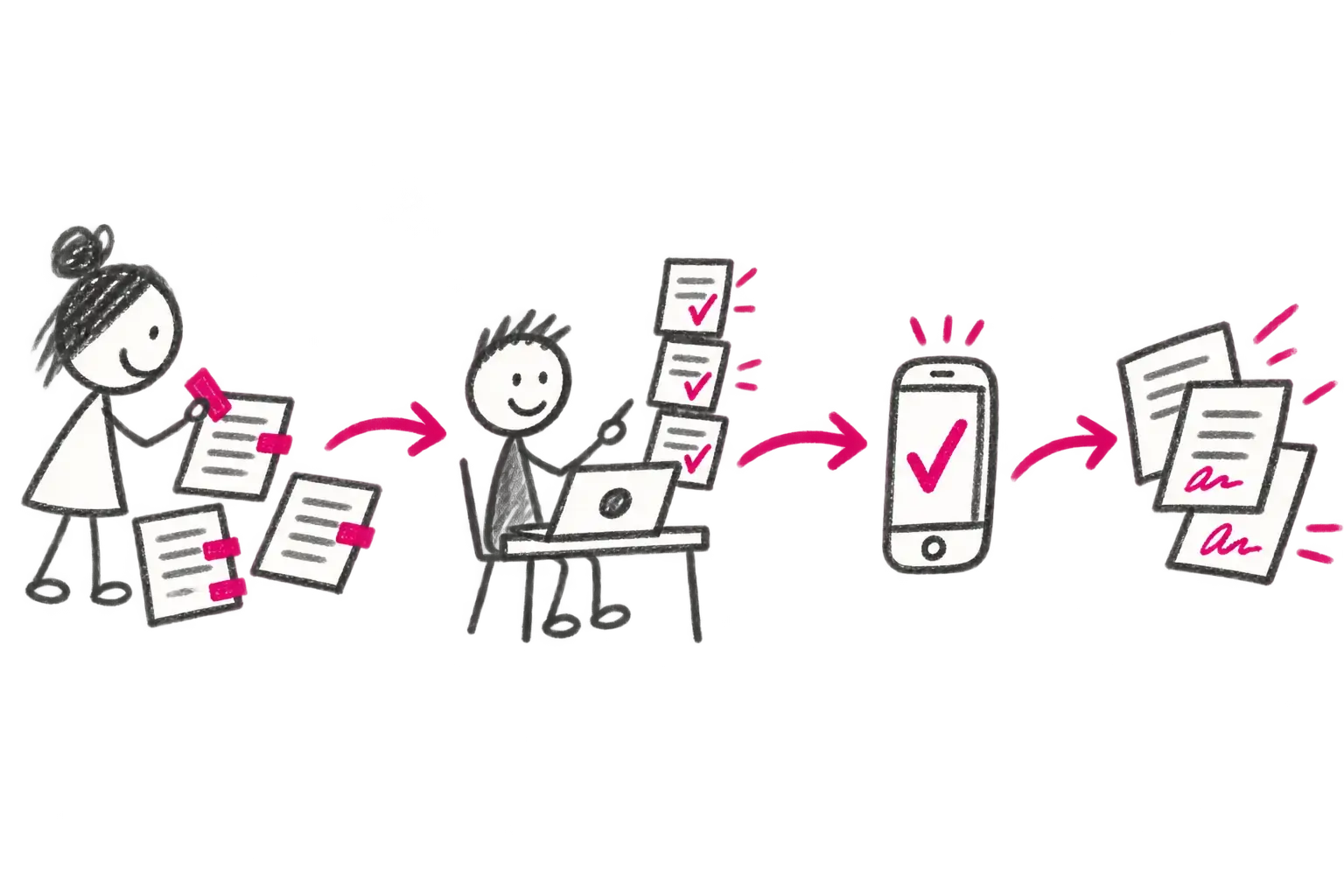
The laptop and token stayed at home. An assistant prepares the documents and signing positions; a connected remote service lets the executive select and sign from a phone.
See how it works →
Intake, extraction, validation, budget, approval and ERP hand-off.
See how it works →
Absence, attendance, delegation and timesheets connected to projects, travel, payroll and approvals.
See how it works →
Authoriser, budget controller and accountant with evidence and an audit trail.
See how it works →
Template, review, approval, signature, storage and records hand-off.
See how it works →
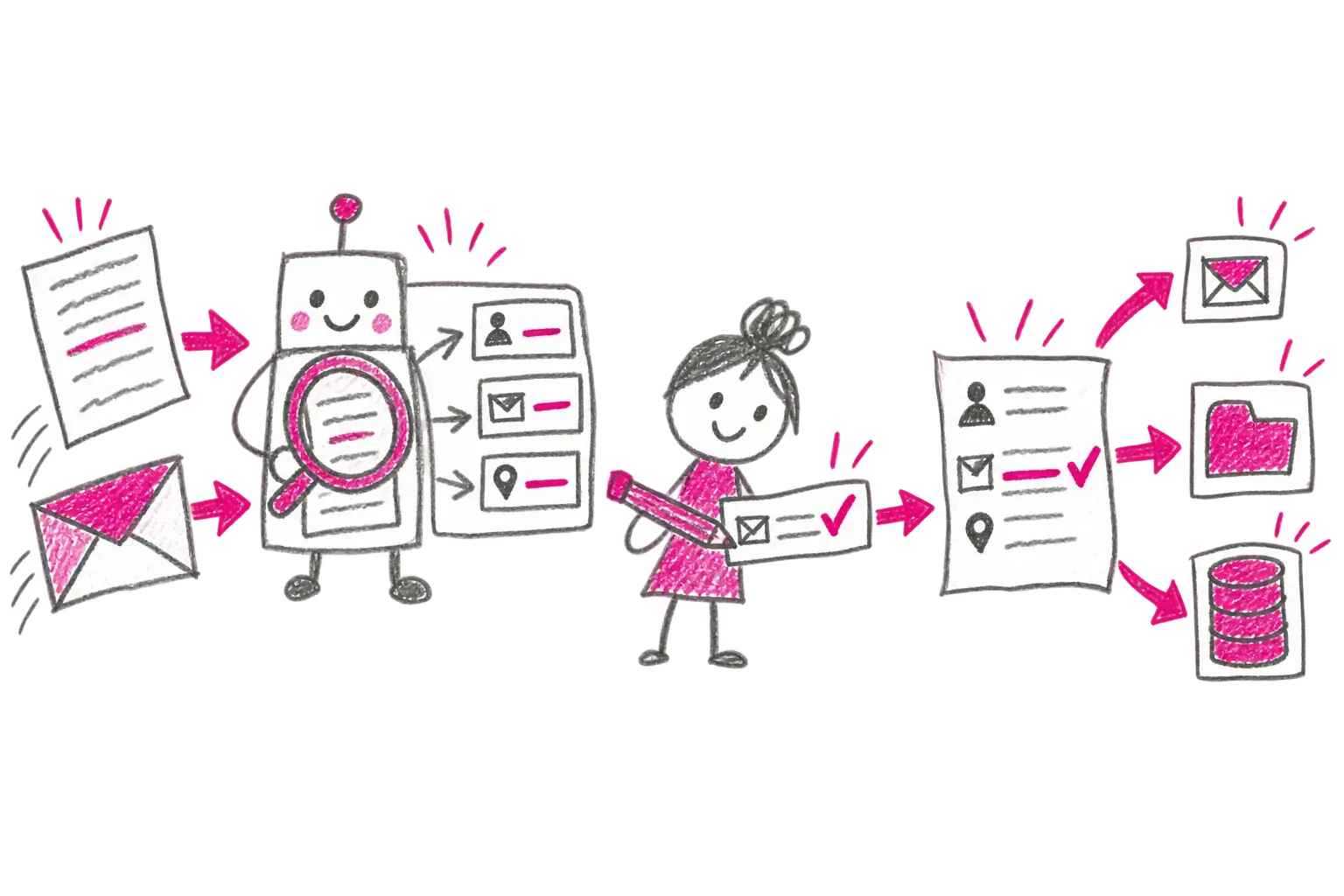
Local, cloud or hybrid extraction with human review.
See how it works →Already modelled in OOD
This selection comes from real process definitions in our application environments. It shows agendas for which we already have experience and a reusable foundation; the exact steps and responsibilities are adapted for each organisation.

Request, budget review, approval, ordering and document hand-off continue in one case.

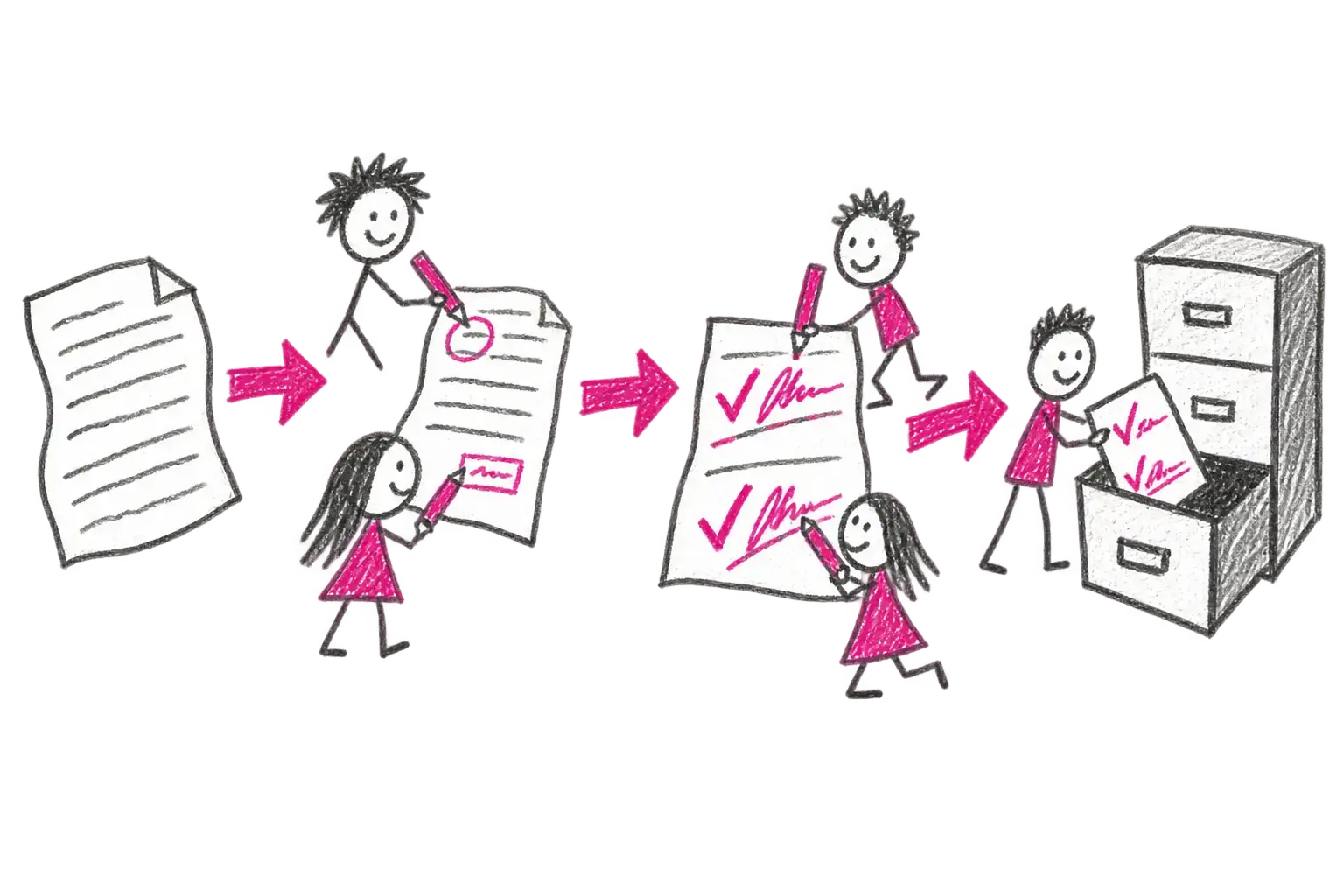
A contract moves through review, approval, signature and registration without searching email for the latest version.

An employee submits a notice or request, responsible people assess it and the result remains traceable.

Travel orders, settlement, private or company vehicles and related records share one workflow.

A project form can combine the team, budget, goals, results, evaluation and attachments.

Support requests, partner organisations and supporting records move through defined roles and states.

The request records the funding source, responsibilities, approval and finance-system inputs.

One form can manage building access, network connection, public IP or licence permissions.

A request reaches the right counselling area, worker and appointment with controlled access.

The document has defined recipients, step order, acknowledgements, deadlines and hand-off history.
Real organisational needs
These anonymised examples come from concrete project assignments and describe both the need and the approach taken. Where the source was a proposal, this does not mean the complete scope was ultimately deployed.


Directly from the applications
The published captures do not contain personal data.

Vehicle, internationalisation, signing, project, contract and supplier agendas are available in one place.

The real form keeps supplier, delivery, payment, line items and funding sources together.

The definition shows states, actions and how responsibility for the next step is selected.

A real view of the request states and the paths it can take during approval.

The notification preview shows data fields, repeating rows and audit information inserted from the case.

The list and detail show the role, funding combination, limit, priority and assignment validity.

The approver sees the asset type, disposal date, depreciation and available decisions.

With the PDF open, the signer selects a smart card, system key store, .p12 file or a connected remote-signature service.
signer.ders.cz
The real transition setup covers approval, rejection, correction and cancellation.

Delegation is limited by time and role. When configured, an approved NEP absence can trigger the matching delegation.

Manuals, definitions and release information can be filtered by product and tag.
Workflow foundation and continuity
Turns a form, document or request into a managed case with states, roles, deadlines, attachments, corrections and history.
How OOD works →Delegation is limited by period, person and roles. A colleague receives only the assigned tasks and the decision remains traceable.
How delegation works →Attendance combines working-time fund, arrivals, departures, travel and absences. Timesheets allocate worked time to projects and jobs.
View the complete area →Additional application areas
One entry point for tasks, requests, announcements and connected systems, configured by role and organisation.
Manuals, release notes, FAQs and support routes organised by type, tags and user permissions.
From intake through specialist counselling to the next appointment. Access to sensitive information follows each worker's role and the organisation's rules.
Internal control
SIFYBOX connects responsible roles, control order, funding, delegation and the audit trail in one managed workflow. The organisation defines its rules and responsibilities; the system helps enforce and evidence them.
The Czech Act on the Management and Control of Public Finances takes effect on 1 January 2027. These functions support a managed workflow and audit trail; they do not by themselves guarantee that a deployment complies with the law. The responsible organisation must confirm its rules.
How internal control works →
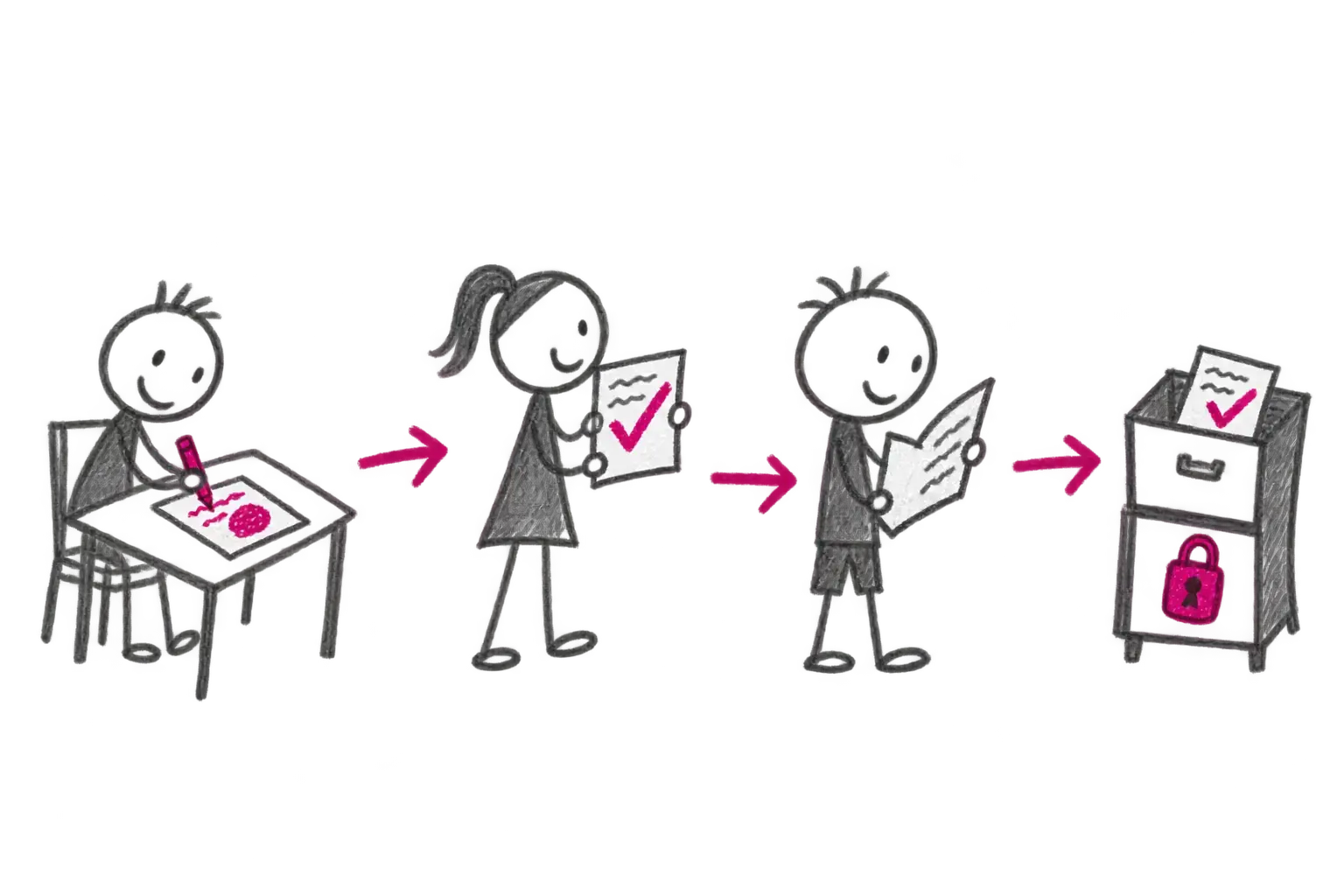
An outcome that stays the same
Just as a completed paper file used to go into a cabinet, SIFYBOX stores the final document in CUL or hands it to records management. Its inputs, decisions, signatures and audit relationship remain traceable.
The outcome does not need to be reconstructed later by the current application version. What was actually approved and issued remains preserved even if rules, print layouts or rounding have changed.
CUL is the operational document layer. Where formal records management applies, the connected certified e-records system remains authoritative.
For whom
What changes
Documents stop moving manually between email, spreadsheets and ERP.
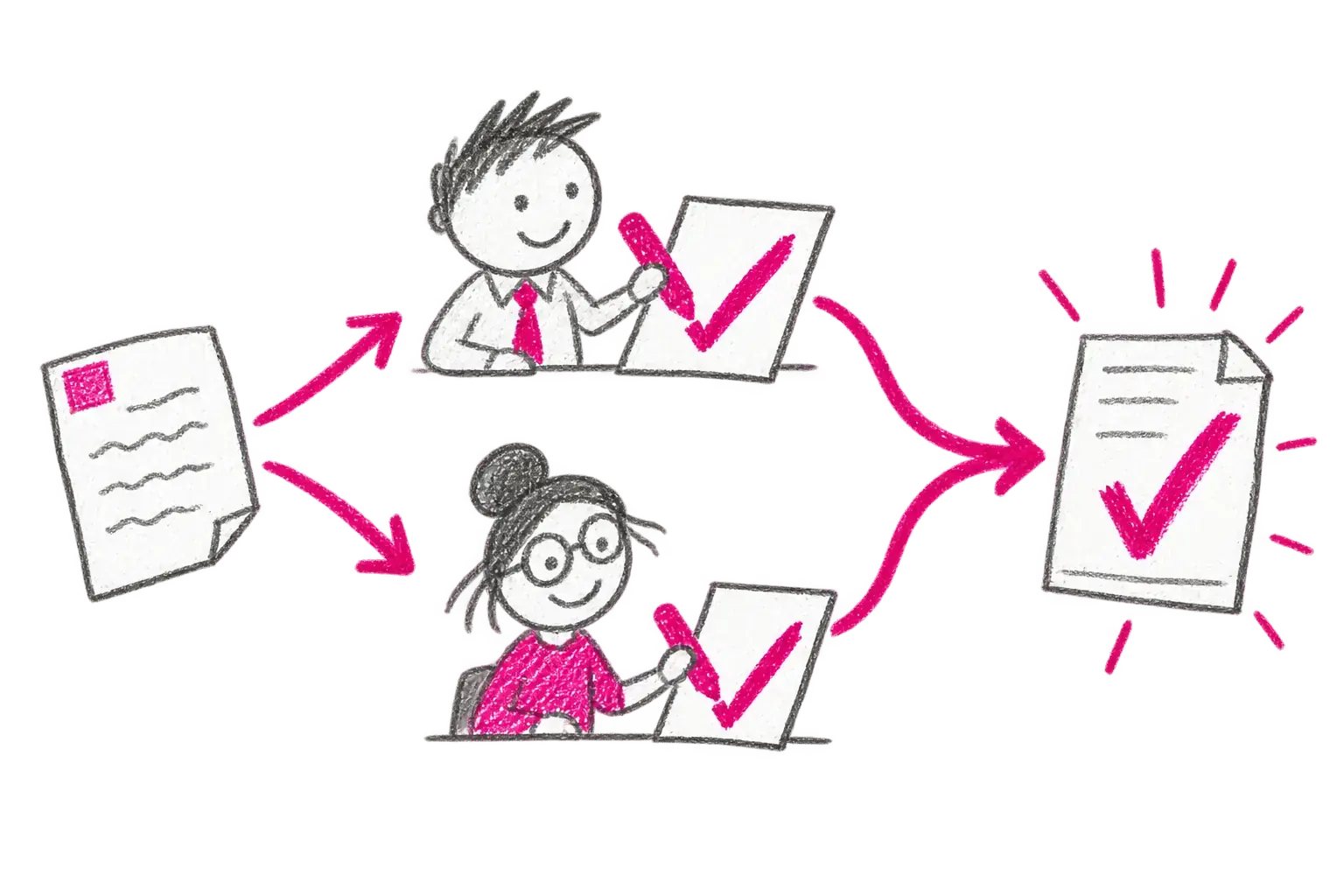
Defined roles, limits, sequence and four-eyes approval are enforced in the workflow.
Operations teams see queues and exceptions; management receives a traceable outcome.
Reusable process building blocks reduce one-off development.
From input to outcome
A form, PDF, email or API payload becomes one controlled case.
The system prepares the data and a person resolves only uncertain or invalid values.
The workflow applies funding, delegation and independent approvals under organisational rules.
The document is signed and stored, then handed to accounting, finance or records management.
User perspectives
Reviews intake, resolves exceptions and knows where each case is.
Sees supporting data, budgets and prior decisions; can approve, return or reject.
Receives controlled data and documents ready for the finance system without rekeying.
Gets evidence of decisions, segregation of duties and exceptions.
Integrations
Deployment and delivery
Concise answers
SIFYBOX is the DERS platform for forms, controlled workflows, documents, checks, delegation, approvals, signatures and hand-off to connected systems.
No. SIFYBOX controls the workflow and prepares a traceable outcome. Accounting remains in the finance system and records can be handed to the connected authoritative records-management system through NSeSSS.
Typical scenarios include incoming invoices, internal control, contracts, electronic signing, travel requests, absence, attendance, delegation, timesheets, controlled documentation and document intake with human-reviewed data capture.
OOD is the workflow foundation of SIFYBOX. It turns a form, document or request into a managed case with roles, states, deadlines, attachments and a traceable history.
Absences and business travel feed attendance, delegation assigns selected roles while somebody is away, and timesheets allocate worked time across projects and jobs. Managers review the shared context.
Next step
Tell us where work slows down or loses visibility. We will tell you whether we have a ready solution and what a sensible first step could look like.
Describe what I need to solveGo to documentation →