
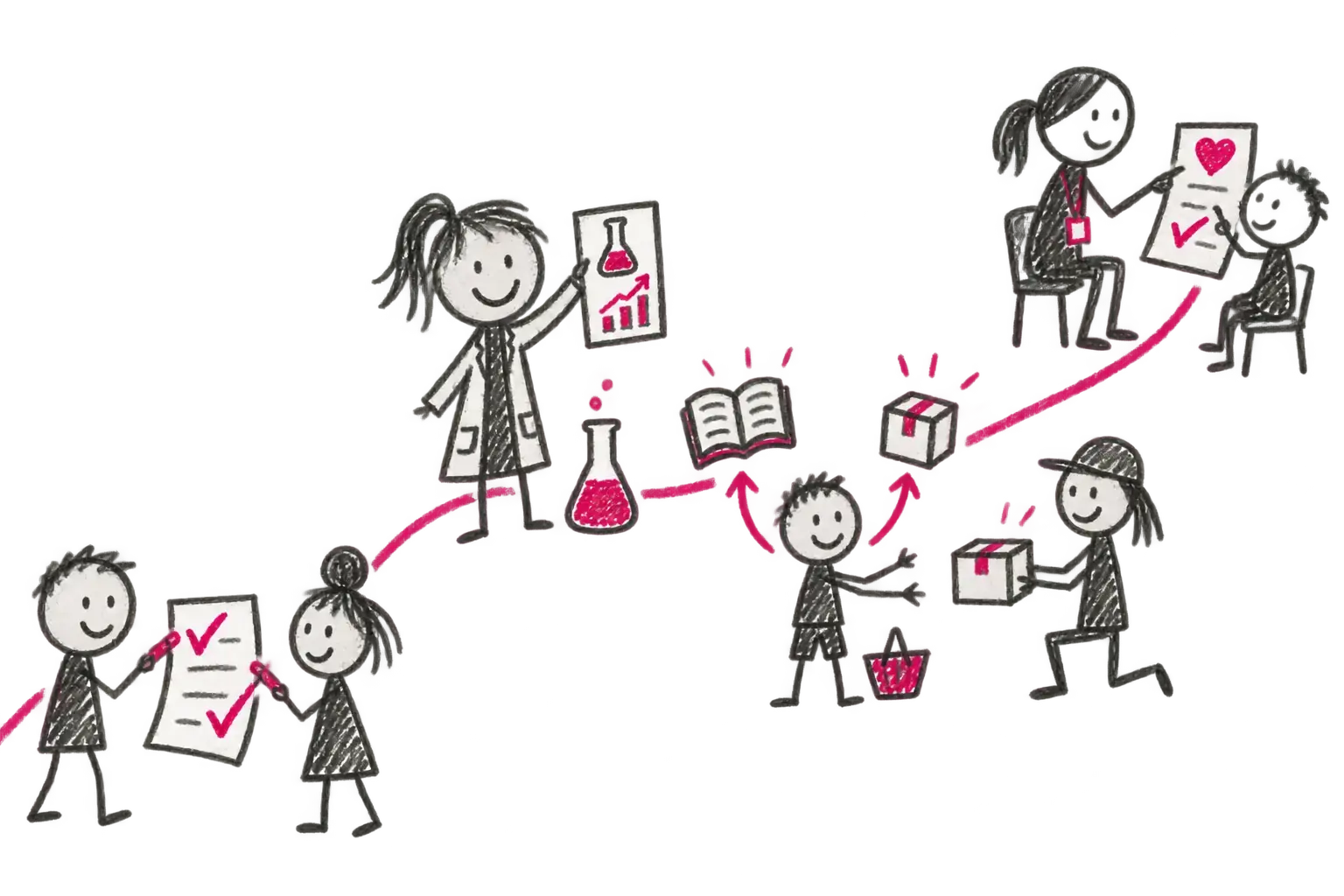
What do you need to solve
Choose an area first. Then a real situation.
Each situation covers the standard flow, exceptions, responsible roles, product components and connected systems.
01 · SIFYBOX · Workflows and documents
Documents and decisions under control.
Explore the product SIFYBOX →
Do not retype invoices. Control them.
Receive, extract, validate and approve incoming invoices before handing them to accounting.
View this situation →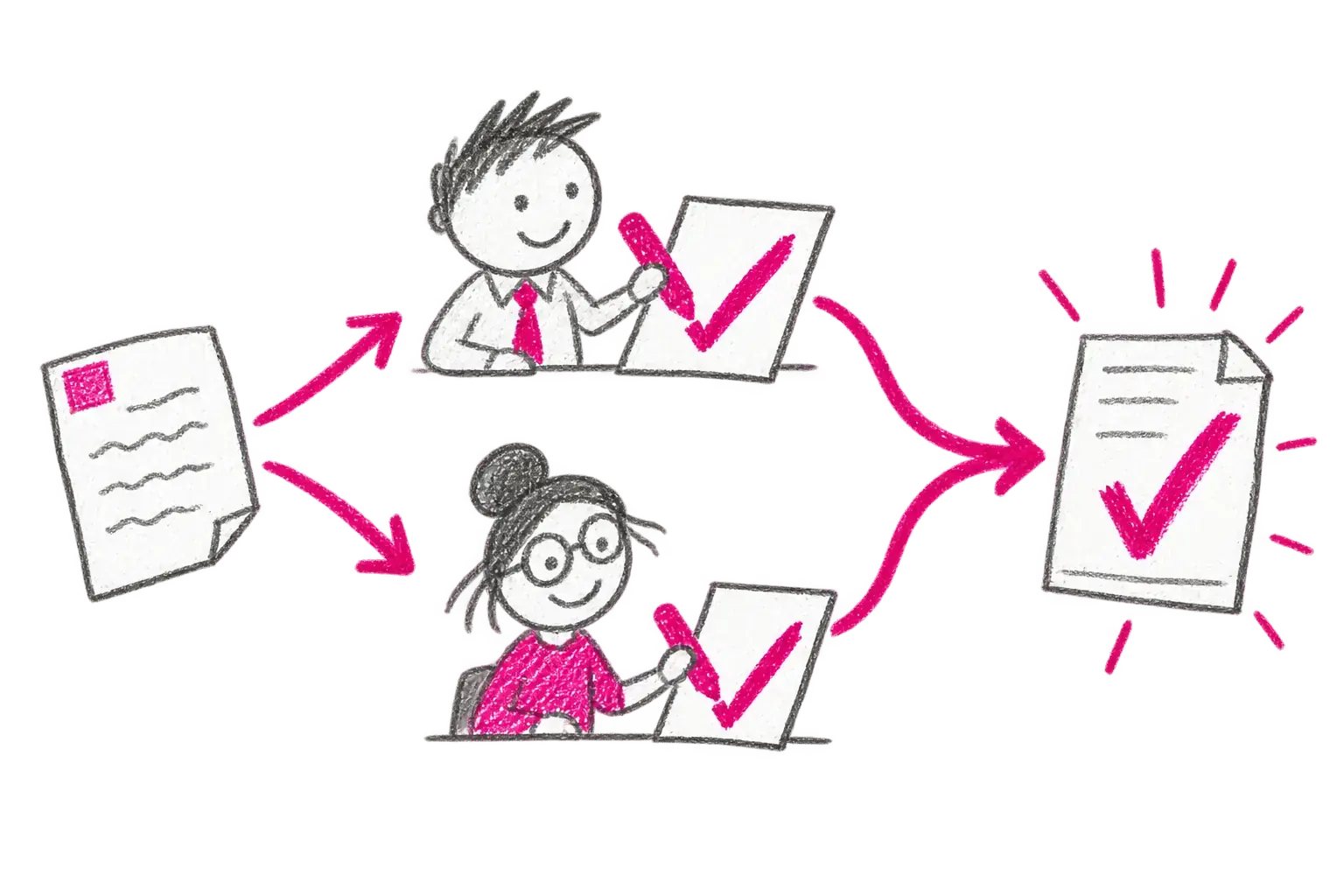
Internal control embedded in the workflow.
Rules, roles, limits, budget checks and four-eyes approval happen inside the process—not after the fact.
View this situation →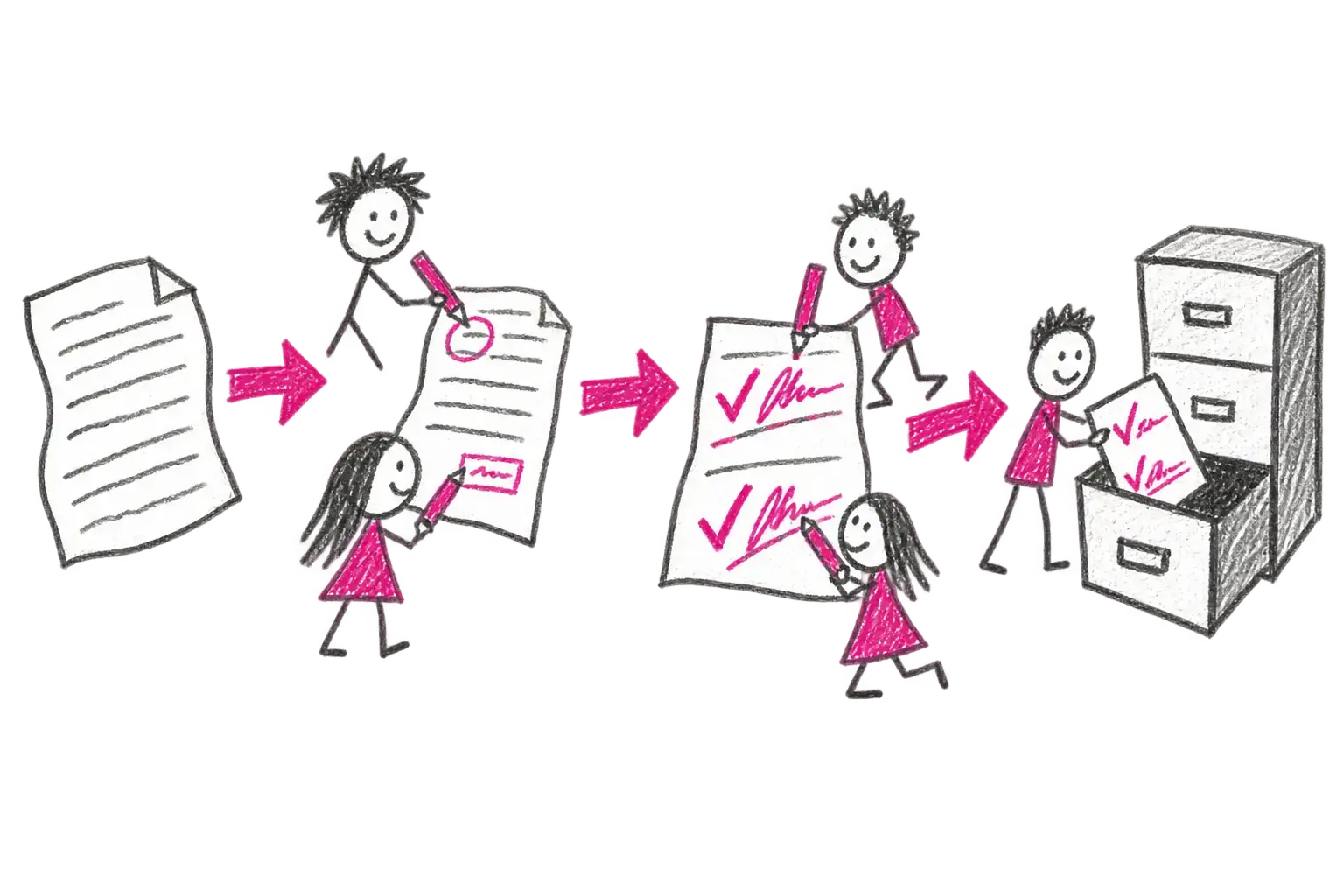
Contracts from draft to signature and record.
Drafting, review, approval, signing, publication and renewal remain one traceable story.
View this situation →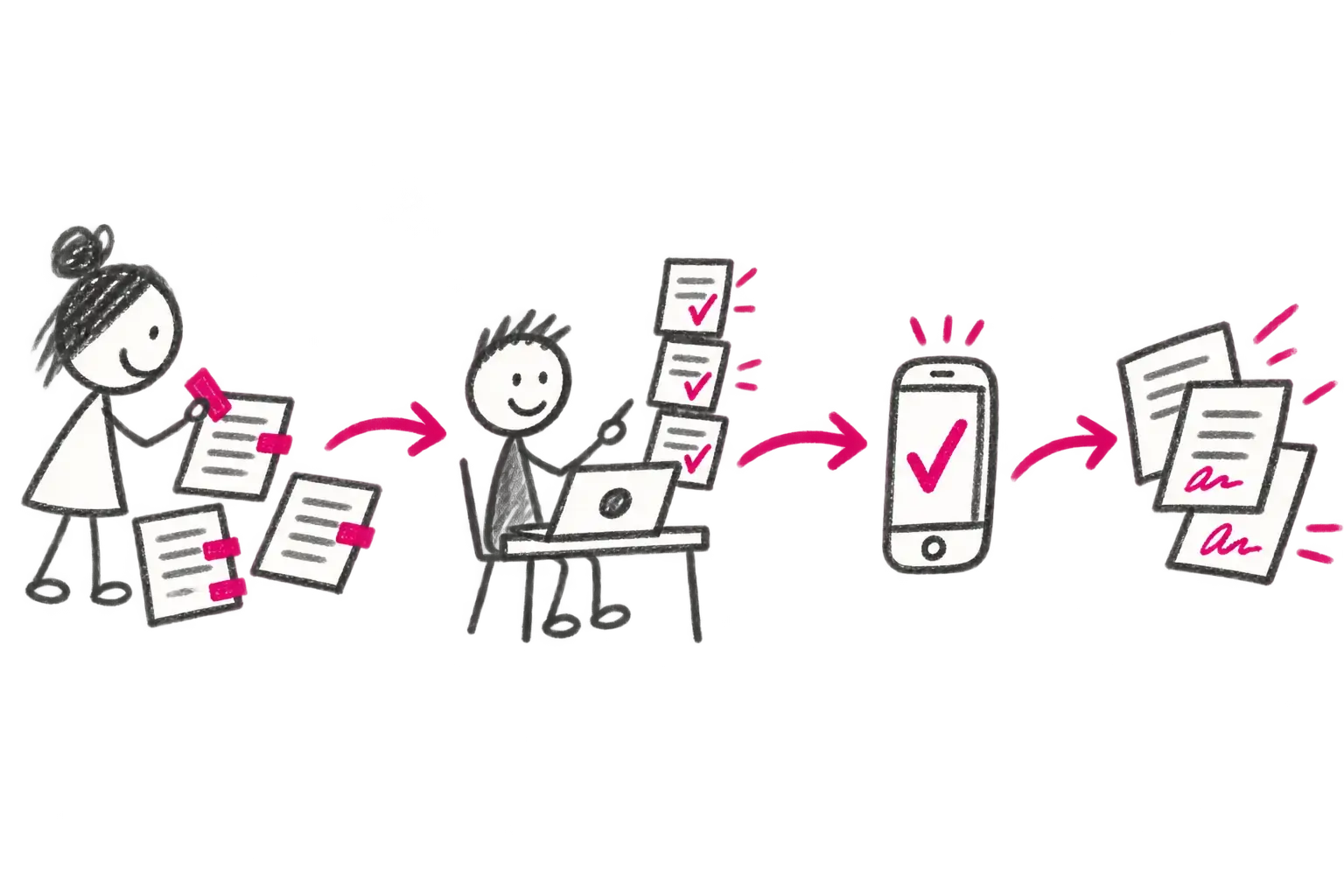
The executive stays by the lake. The documents get signed.
Today, signing often means carrying a laptop and token or returning to the office for paper. With EPK, an assistant prepares the documents and signature positions. The executive reviews, selects and—when a remote signing service is connected—signs from a phone. Individually or in bulk. Done.
View this situation →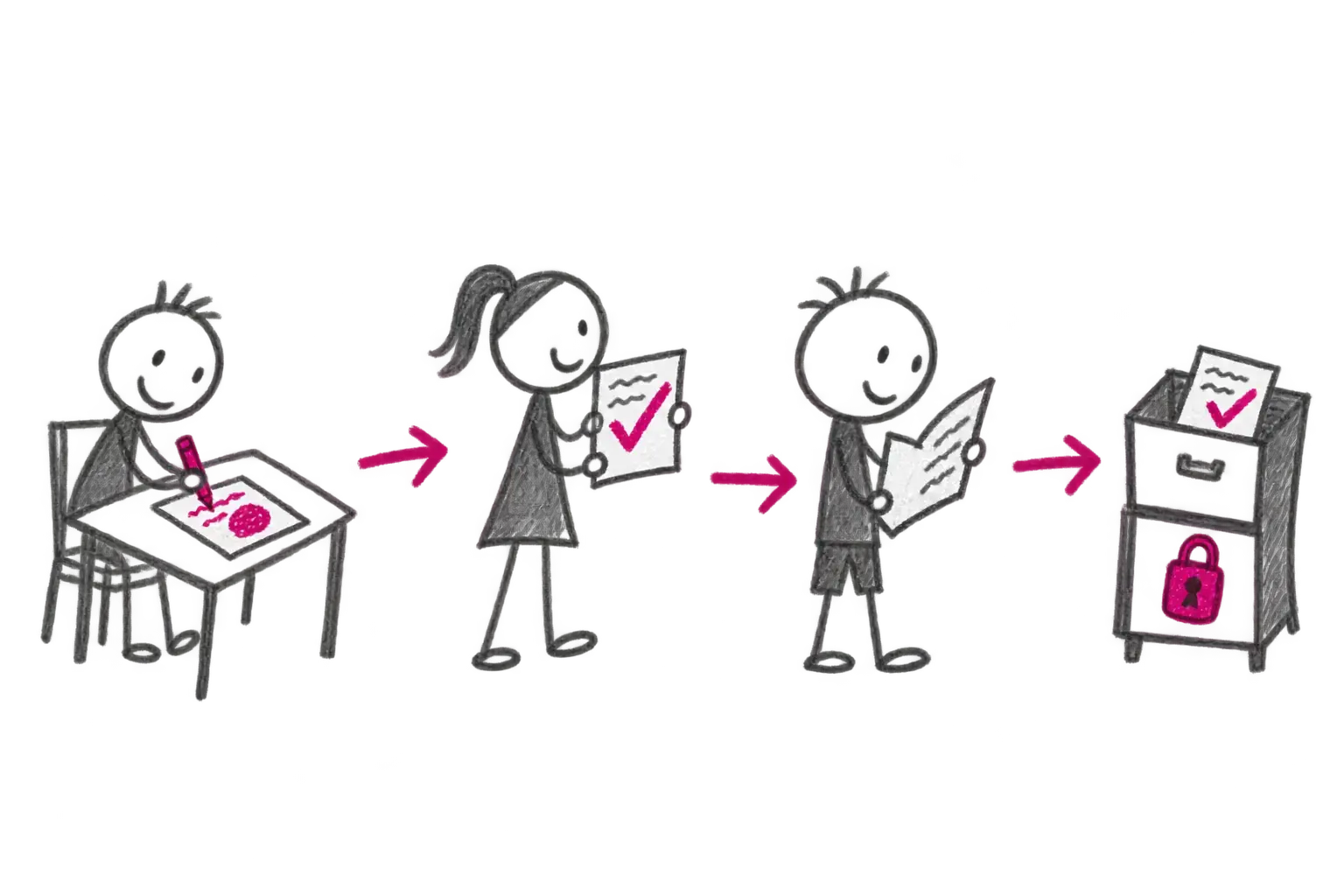
Controlled policies with one valid version.
Create, approve, publish, acknowledge and review internal policies without paper sign-off sheets.
View this situation →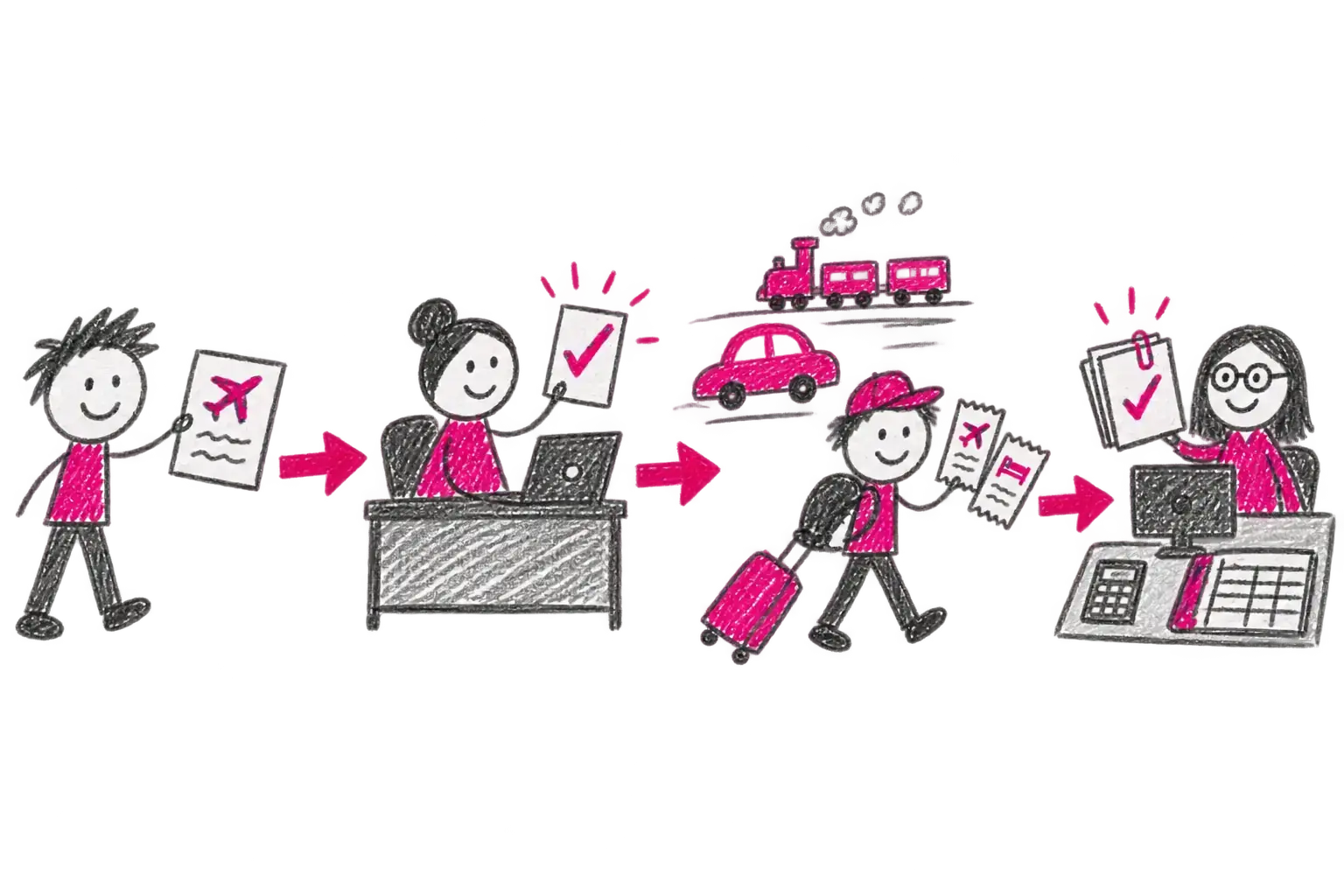
Travel requests without office rounds.
Request, approval, advance, expense settlement and ERP hand-off in one process.
View this situation →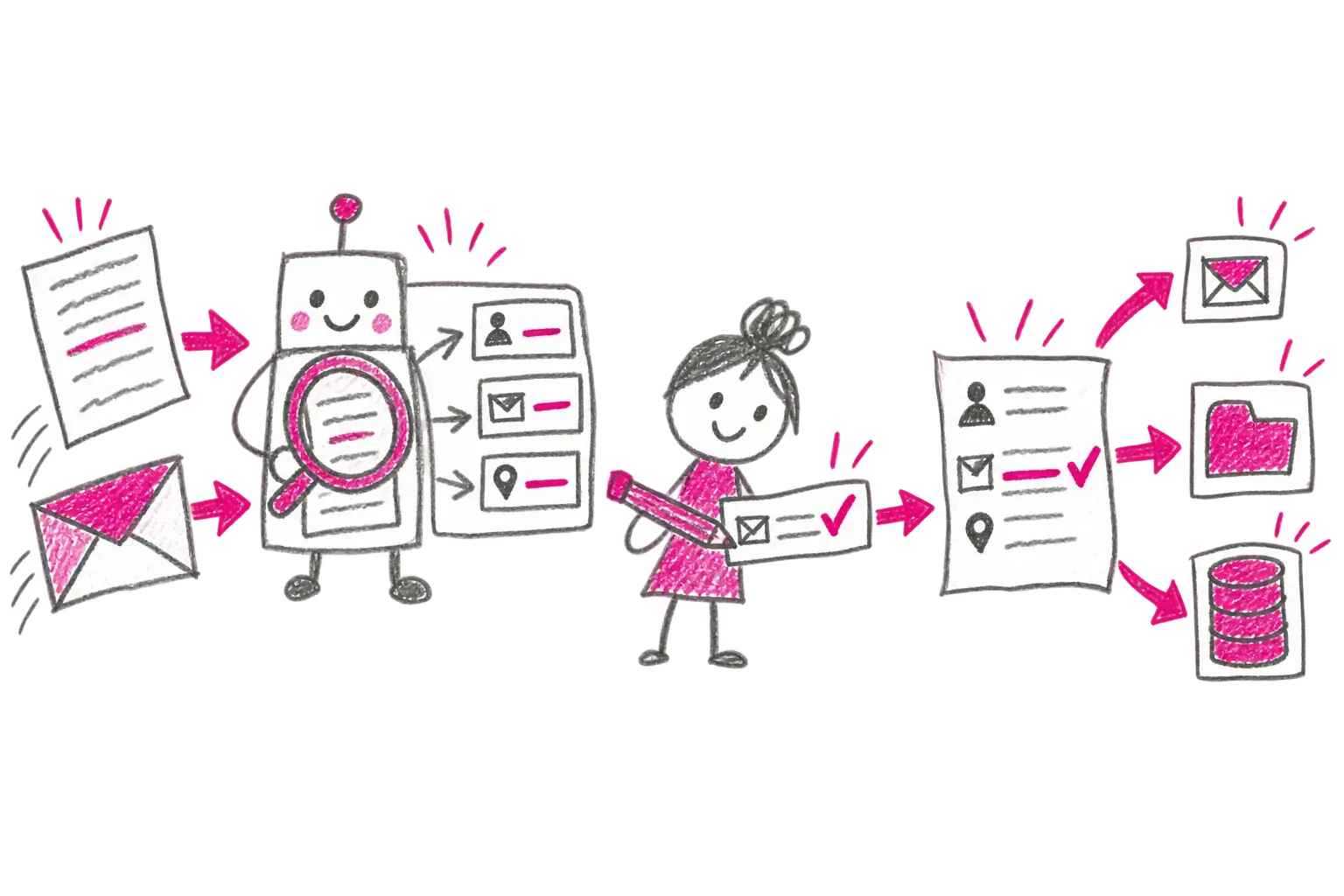
Drop in a document. Prepare the next action.
Local, cloud or hybrid AI classifies and extracts documents while respecting data boundaries.
View this situation →02 · IS Věda · Research management
Projects and outputs without needless rekeying.
Explore the product IS Věda →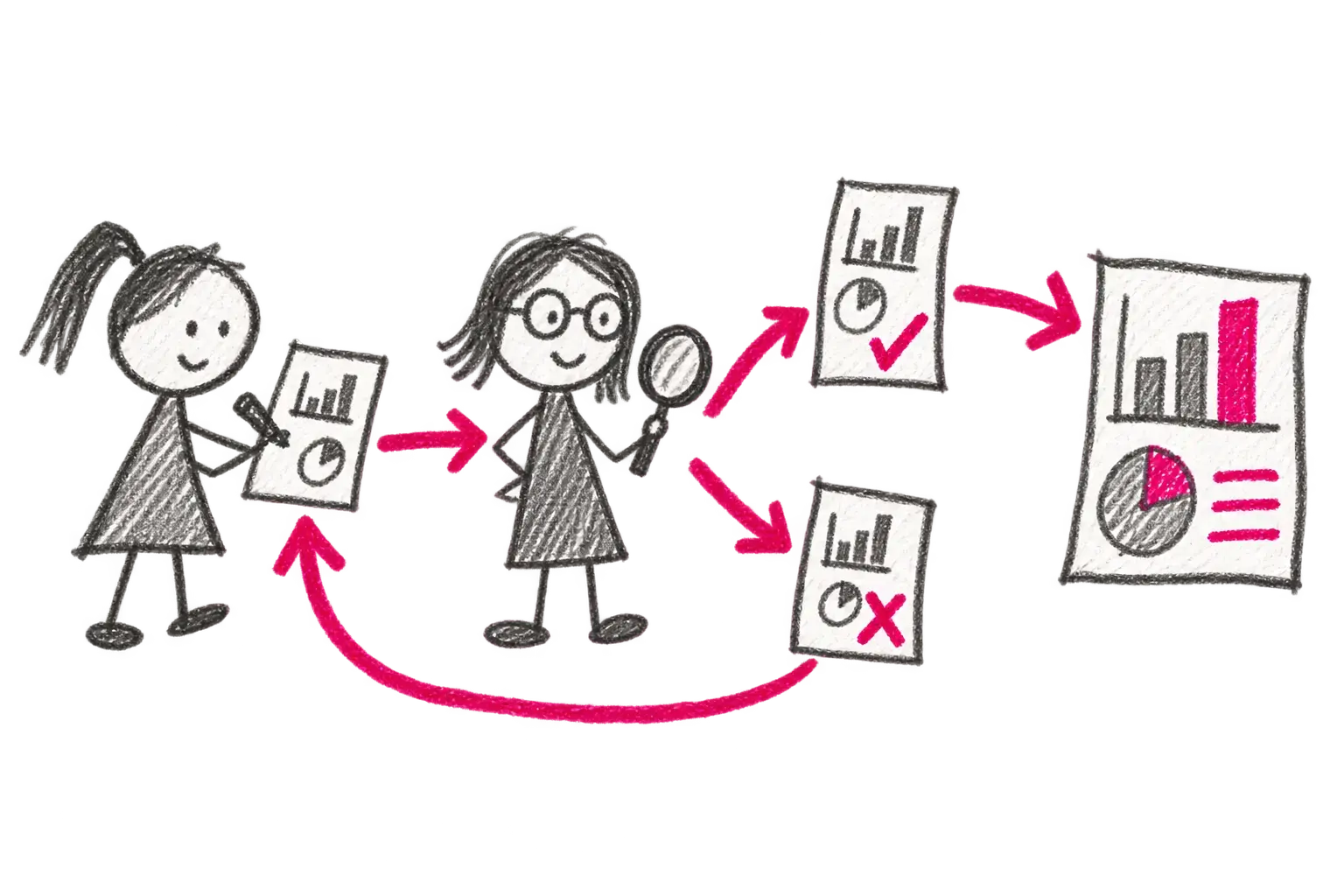
Research outputs from author to RIV without blind spots.
Researchers submit or import outputs, administrators validate metadata, and the organisation prepares reporting and RIV material.
View this situation →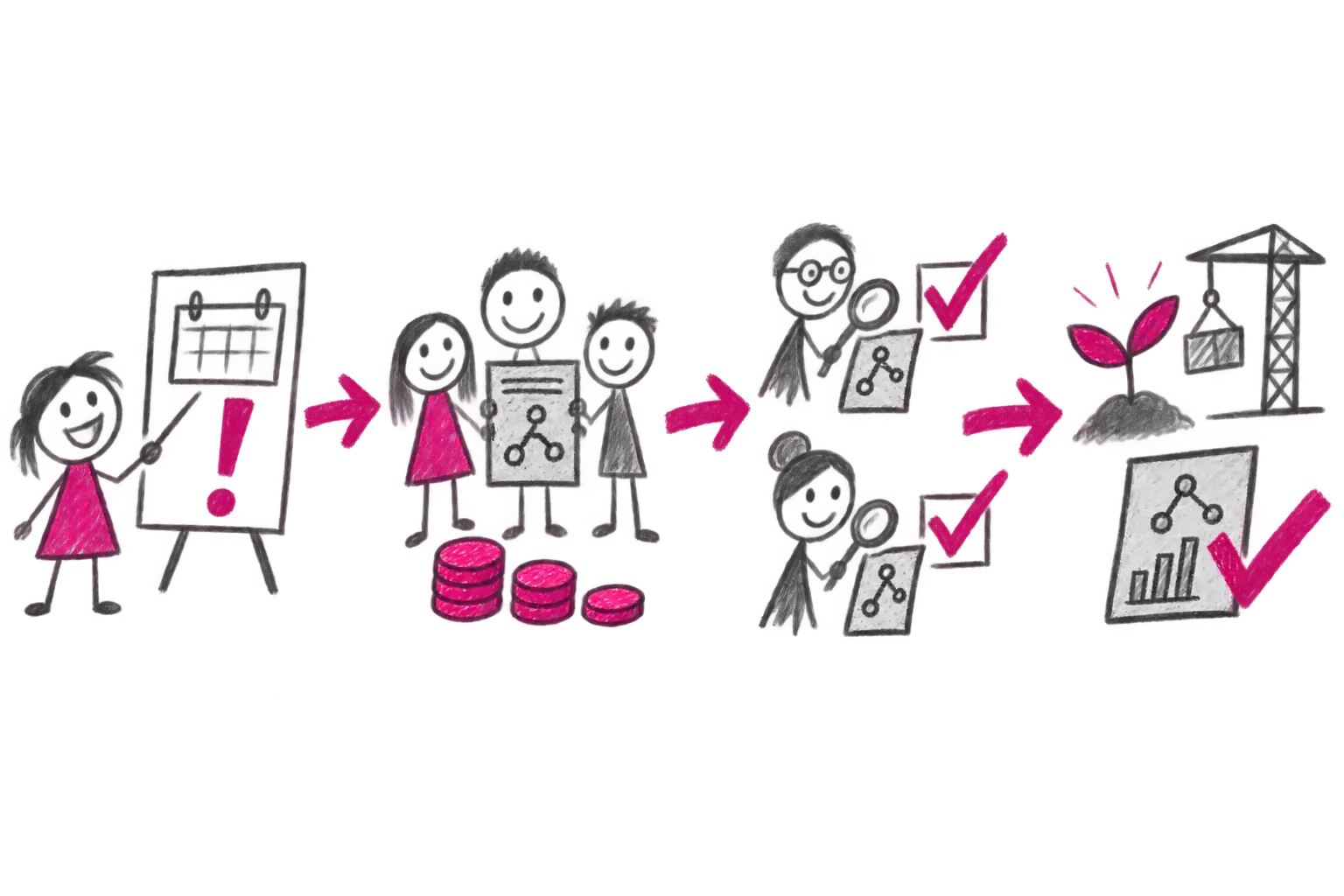
Projects from funding call through evaluation to delivery.
Programme, proposal, team, budget, evaluation and project changes remain in one traceable lifecycle.
View this situation →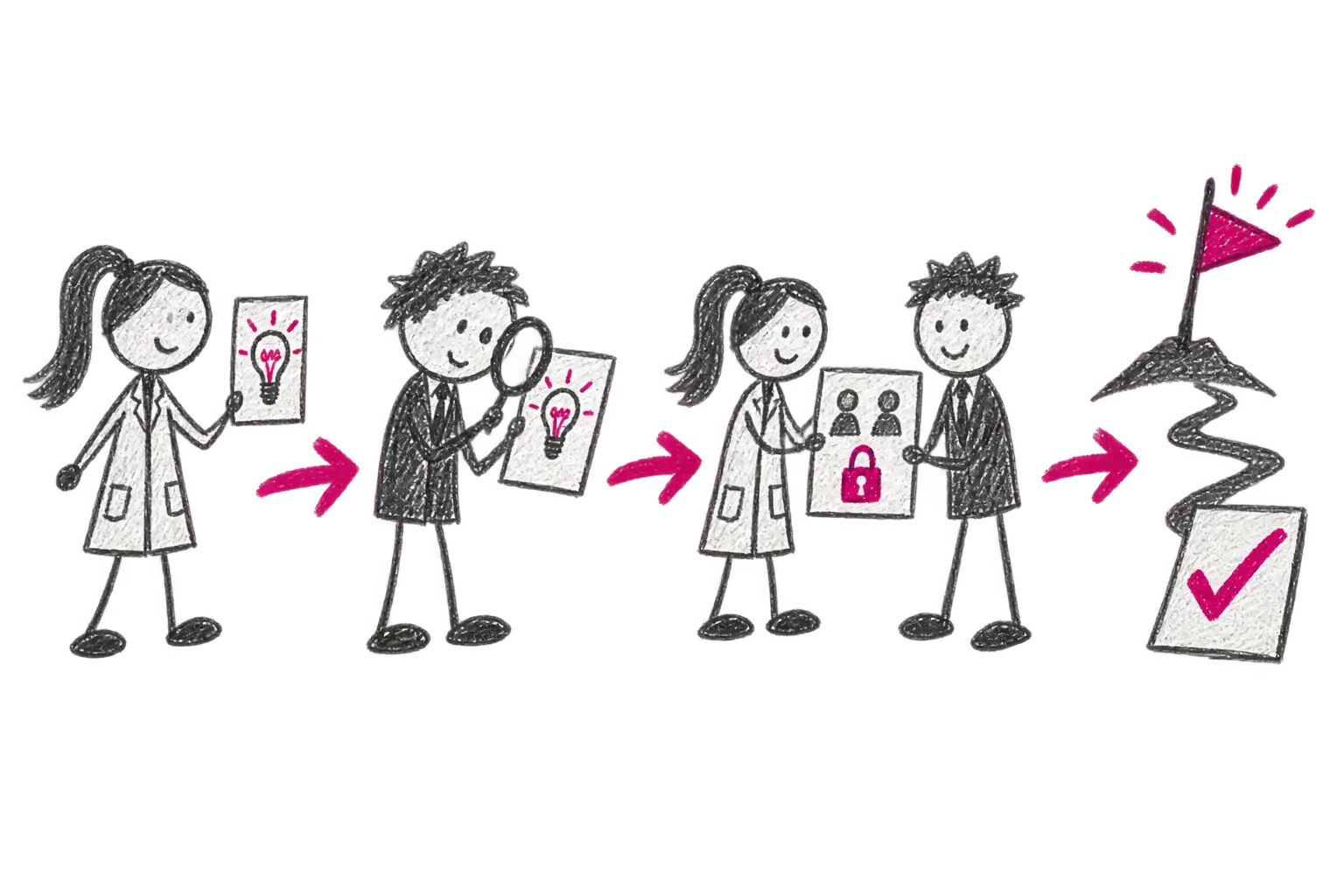
Idea, rights and transfer milestones in one case.
Researcher input, transfer-office review, authors, partners and milestones remain connected. We select the relevant PDV/SDM capabilities and integrations for the organisation.
View this situation →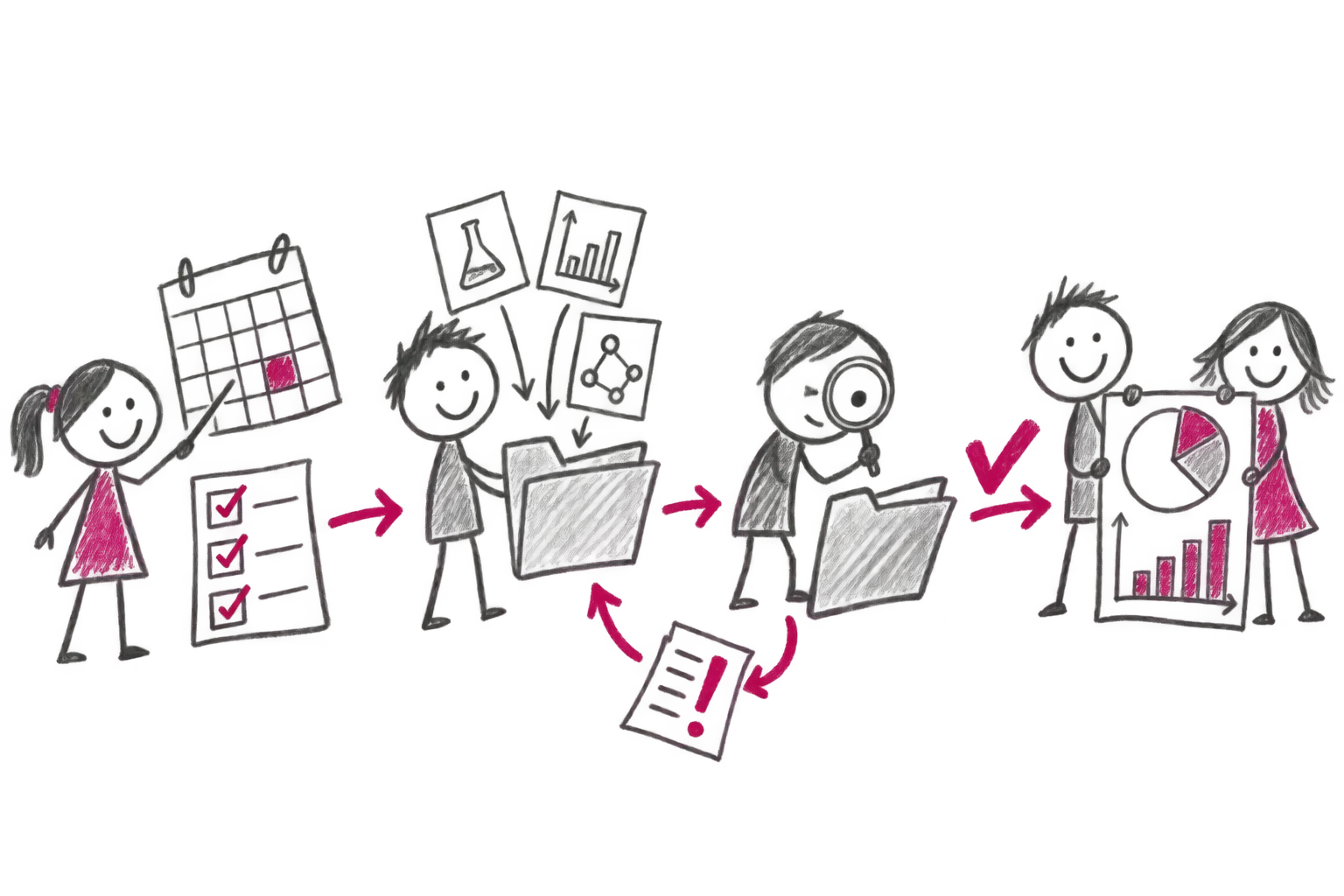
Research evaluation under your organisation’s rules.
ISE connects research outputs and project data with the organisation’s methodology, roles and evaluation period.
View this situation →03 · EOC · Commerce, courses and fulfilment
Commerce, courses and fulfilment connected to finance.
Explore the product EOC →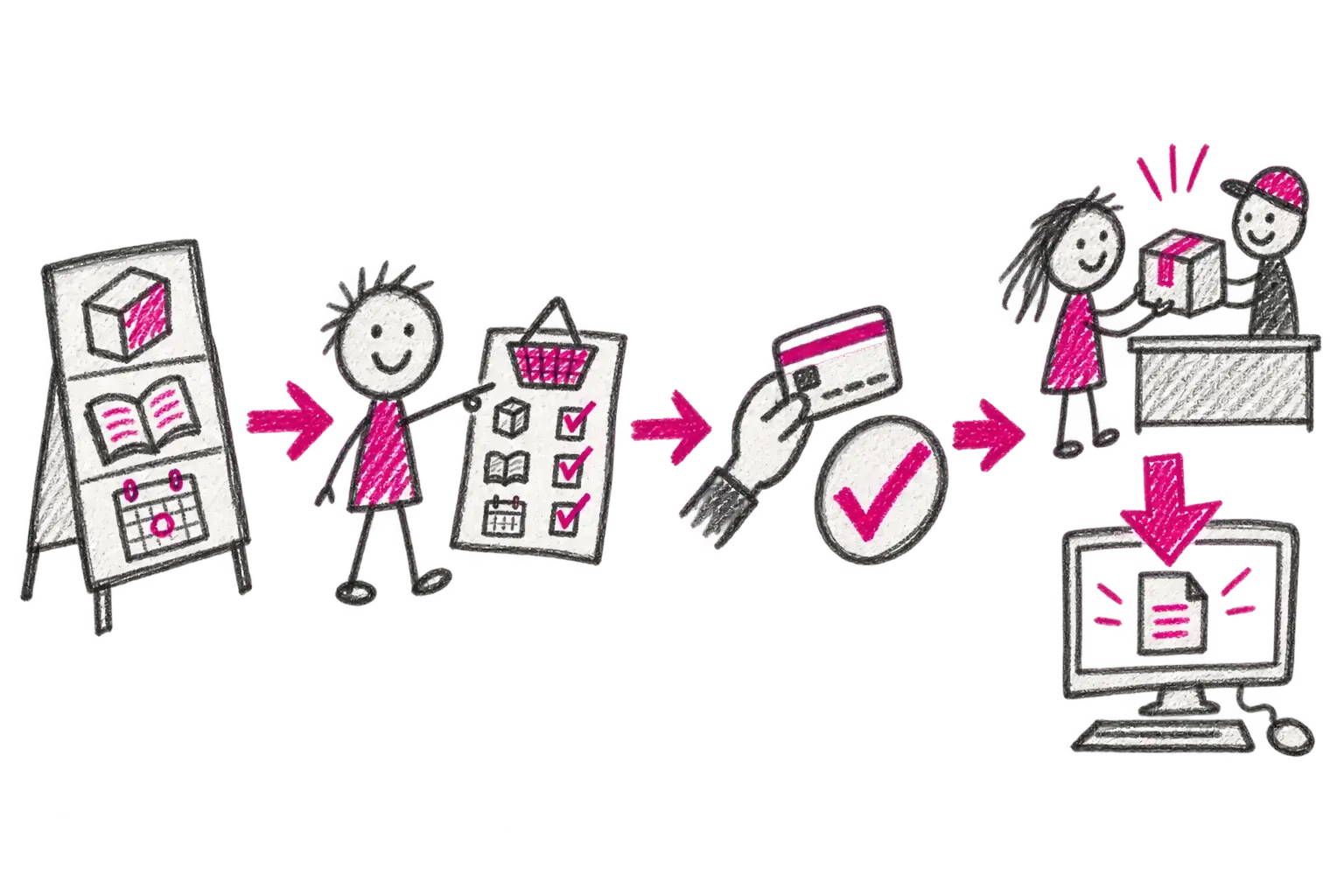
Courses and conferences from date to attendee list.
Dates, capacity, registration, pricing, payment and organiser material in one institutional sales flow.
View this situation →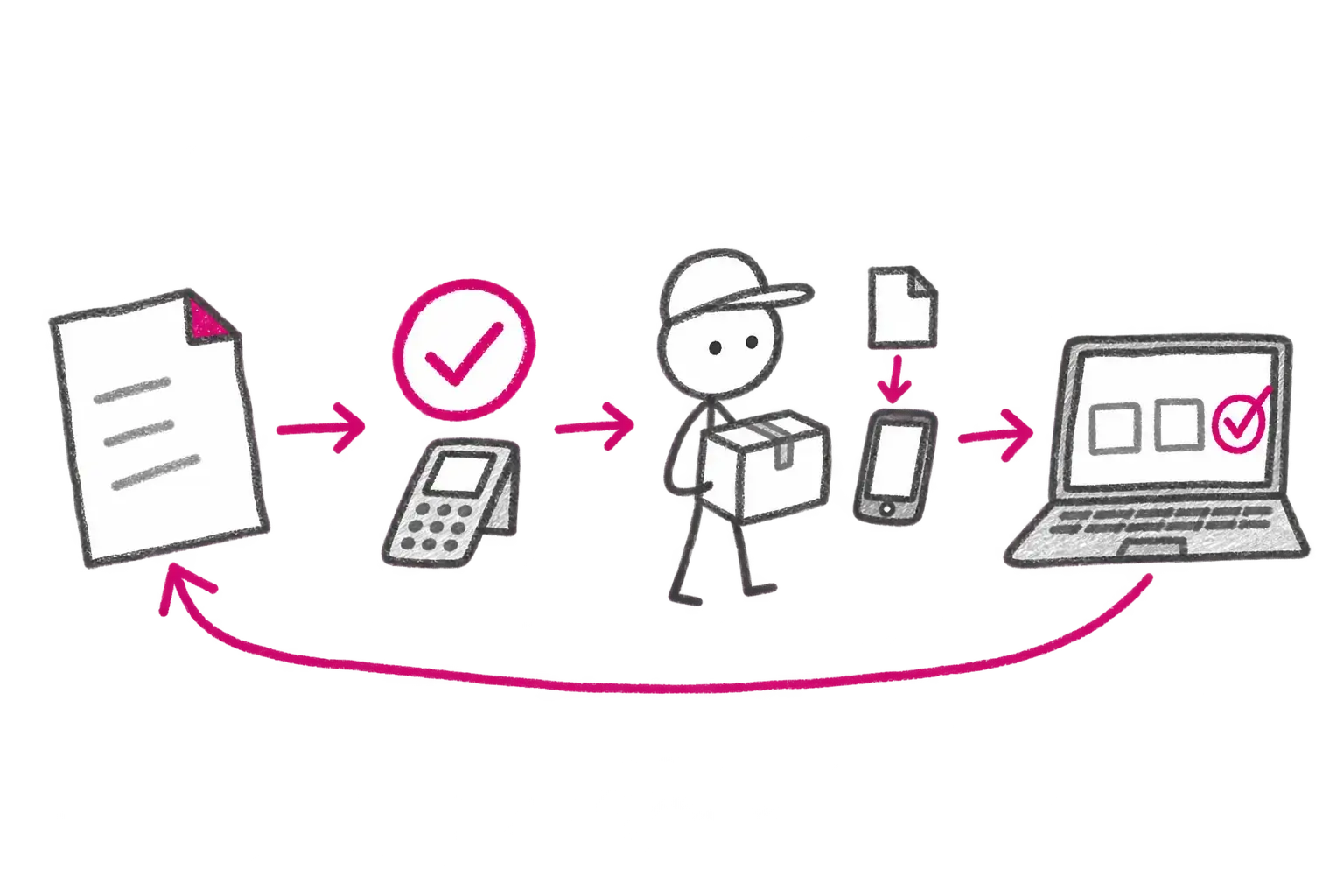
Institutional commerce connected to inventory and finance.
Products, variants, pricing, customer groups, shipping and order status follow organisational rules.
View this situation →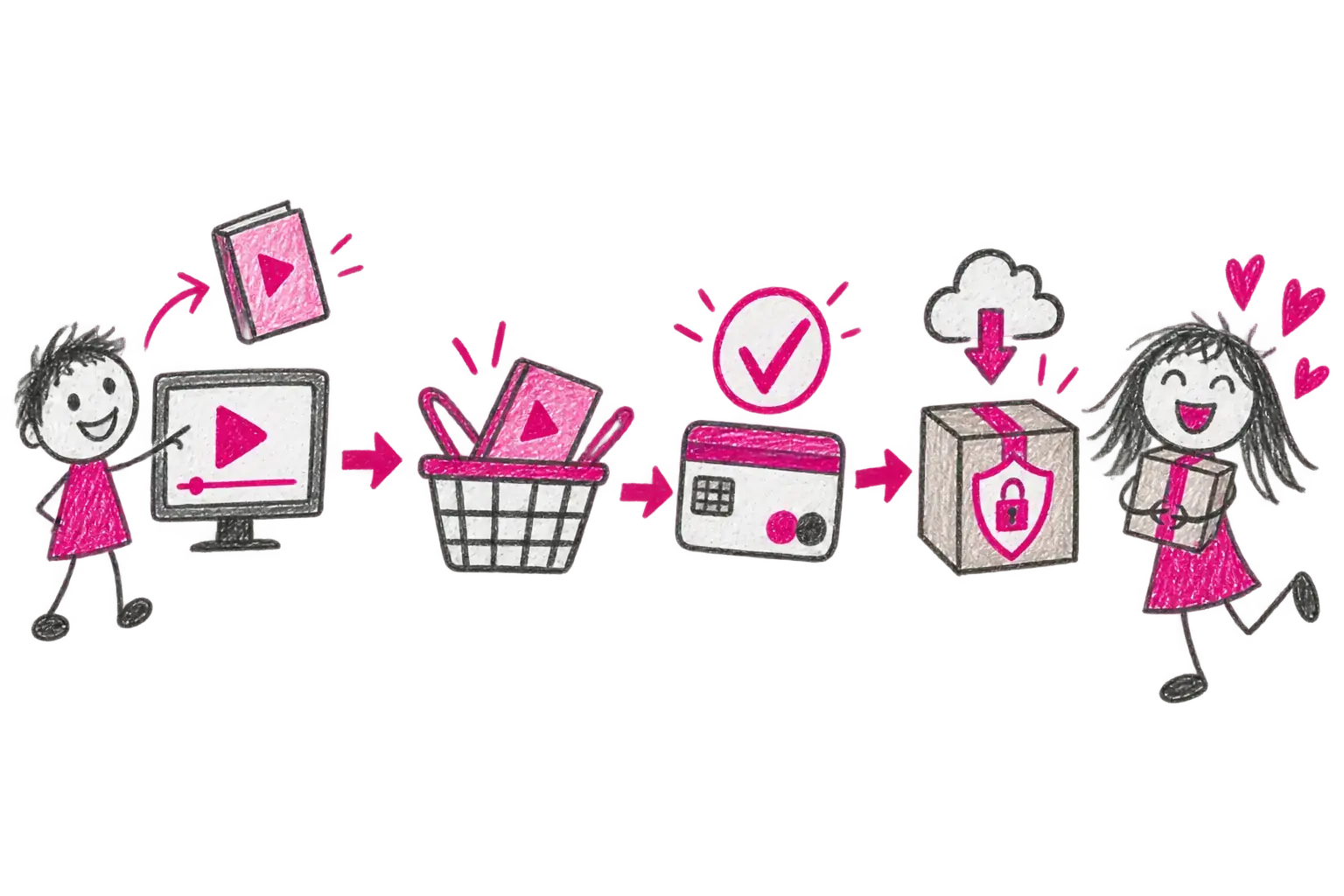
Digital content is released at the right moment.
Order, payment, entitlement and delivery of a document or content form one controlled flow.
View this situation →Internal distribution under organisational rules.
An employee or unit orders, the system checks entitlement, and fulfilment reaches inventory and finance.
View this situation →
04 · KISSoS + SOPHOS · Social care
Data for regions and day-to-day provider work.
Explore the product KISSoS + SOPHOS →Regions see the social-care network in context.
Providers, services, capacity, reporting, applications, funding, maps and a public catalogue share one data foundation.
View this situation →From applicant to care plan without disconnected paperwork.
The upcoming SOPHOS connects first contact, identified needs, decisions, the client and the service plan.
View this situation →